Thursday, January 26, 2012

Aggression in dogs


I was on WTOP yesterday afternoon (click here to listen) to discuss aggression in dogs after a woman in Alexandria shot her dog as he was mauling her boyfriend.  According to the report the man moved the dog’s toy with his foot and the dog lunged at him.  He wrestled with the dog until his girlfriend stepped in and shot the dog in the head, killing him.  The man sustained five to nine bites on his body; I do not know the severity of these bites.  The deceased dog had a history of aggression related to resource guarding that had previously resulted in other biting incidences.  The dog was reportedly a Doberman-pit bull mix and I do not know if he had been neutered or not.  I mention this because unneutered dogs are more likely to be aggressive than those that have been neutered.

This story is unbelievably horrific on many levels and brings to mind multiple issues related to aggression in dogs that I will address.  WTOP asked about certain breeds and if aggression was more common in some than others.  The short answer is yes, aggression like any other genetic trait can be selected by breeding two dogs that are more aggressive than others.  For example, a desirable trait in greyhounds is predatory aggression, you want a racing dog that has a strong will to chase down something that is running away from it.  Dogs with this trait will most likely try harder, run faster and win more races than dogs without it.


Any dog breed has the potential to be dangerous but the larger breeds get more of the blame simply because they have the potential to cause more damage.  A five -pound aggressive Chihuahua is going to be much less of a threat than a hundred pound pit bull in any situation.  In addition, breeds such as the Mastiff, Rottweiler and Doberman Pincher were initially bred to be guard dogs and aggression is a desirable trait in a dog for this purpose.  Perhaps these dogs have more aggressive tendencies somewhere in their DNA but that does not define their personality.

But as we all know in the great nurture vs. nature debate, genetics is only a piece of the puzzle in what makes up any personality be it dog or human.  There are many other factors that contribute to a dog being aggressive such as socialization as a puppy, previous training, past experiences and interactions with people as well as other animals.  Our dogs do not know how we want them to behave; it is up to us to teach them.  It is natural for a dog to guard his food or any other resource he find important to his survival.  I am not saying that it is okay or should be tolerated but it is up to the owner to recognize the dog has an issue and take steps to teach him it is not acceptable.

For the most part aggression in dogs is rooted in fear and nine times out of ten the dogs tries very hard to show us he has a problem before biting even enters his mind.  Dogs communicate with body language; a turn of the head or flick of the ears can be a very clear signal to the dog but we as humans are generally very bad at picking up on these subtle signs.  Often it is after the dog has shown every way he knows how to indicate he is not comfortable with the situation that he finally resorts to growling or snapping.  It is not until this point that we humans pick up on the problem at which time it has escalated to a serious issue.

The take home message with this story is listen to your dog, learn to read his signals because I promise he is showing them to you as best he can.  If you notice any signs of aggression immediately find a trainer who practices only positive reinforcement and reward based training.  Using punishment based or dominance theory methods on a fearful dog are only going to make the situation worse.  If you feel that the issue isn’t resolving make an appointment with a veterinary behaviorist, this is a veterinarian who has advanced training in behavior.  A great resource is the American Veterinary Society of Animal Behavior’s website which is loaded with great articles on how you should train your dog and where to find a good trainer.

Remember to always listen to what your dog is trying to tell you, it will only improve your relationship.

Monday, January 23, 2012

NAVC

I just returned from the North American Veterinary Conference (NAVC) in Orlando where I had an amazing time learning about the new and exciting developments in veterinary medicine. Since medicine is constantly evolving and recommendations are always changing, all veterinarians are required to participate in continuing education. What makes Friendship stand out among other clinics is that all of our doctors regularly attend national conferences. This is another way the doctors at Friendship make sure that your pet is provided with the very best veterinary care possible.

Essentially, attending a conference is kind of like going back to school but is even better because you get to focus on subjects applicable to what you do every day.  I spent the week listening to specialists from around the country lecture on various topics. This helps us to make sure that the recommendations we give our clients are not just appropriate but the gold-standard of care determined by the latest research.

In addition to the lectures there is also a massive exhibit hall where vendors display all the new and exciting products available in veterinary medicine.  After attending a particularly disturbing lecture about how difficult ticks are to control and that the incidence of tick borne diseases lick Lyme and Rocky Mountain Spotted Fever are on the rise, I made a point to visit the booths and learn more about the newer spot-on preventives that are available.  I also made a mental note to be much more vigilant about applying these products to my dogs once a month every single month.

I also am very excited about the Adaptil Collar and immediately put one on Poppy as soon as I walked in the house.  The idea is similar to a flea collar but instead of pesticide the collar releases a pheromone that has been shown to help calm dogs and reduce anxiety.  At this point I am unable to say if it is helping her but it certainly can't hurt, I will report again in a few weeks with my finial decision.  Another cool use of this pheromone is that it comes in a spray that you can apply to a bandanna for more focal control of anxiety.  For example, if your dogs hates riding in the car or going to the vet you could put the bandanna on to help him feel better for the limited time he is nervous.  

I could go on and on about the exciting tips I picked up but I think I will save them for future posts - stay tuned!

Thursday, January 12, 2012

Kitty Food


Happy New Year!

As I embark on my annual New Year’s resolution to eat better and exercise more I thought I might once again try and tackle the ever looming question asked by owners: what is the best food for my pet? 

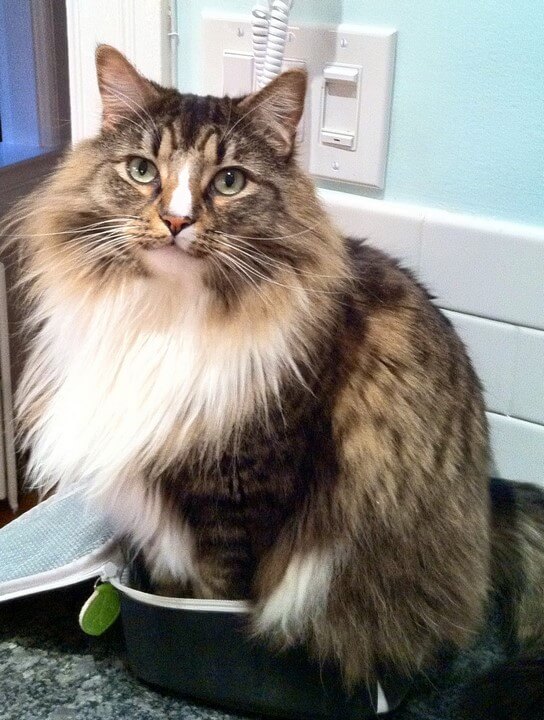
Furla, Vegas and Breaker
In truth this is a question without a definitive answer so I will tell you what I feed my pets and why I have chosen these foods.  I will start with my three cats, two of which have medical issues that require them to eat prescription diets.  Vegas has food allergies and if the majority of food he eats is not venison based he will scratch his face creating horrible open sores. 

Because of this Vegas and my other cat Furla eat a combo of dry and canned Hill’s Prescription Diet D/D Venison.  Furla doesn’t particularly need this diet but she likes it and feeding it to both of them is easier for me.  I feed them mostly canned with only a small amount of kibble for them to munch on during the day.  For cats I feel the canned food is better for them as it is higher in protein and moisture that more closely mimics the diet their bodies were designed to process.

Unlike dogs and humans that are omnivores, cats are obligate carnivores meaning all of their required nutrients come from animal tissue.  For example cats have evolved to eat multiple small meals that they spend the day hunting, think mice and birds.  Giving your cat a huge bowl of dry, carbohydrate-based food that he plops down to inhale at one sitting is not compatible with the development of his gastrointestinal tract.  There is a theory that feeding our cats this way has lead to the numerous cases of obesity, inflammatory bowel disease and intestinal lymphoma that we see.

My third cat Breaker has a sensitive stomach and after extensive diagnostics to look for a cause of his frequent vomiting I found that feeding him Hill’s I/D eliminated the issue.  For the reasons listed above I would prefer to feed him only canned food but he refuses to eat it.


In addition to their main diets I also like to add in a few things to keep it interesting for them.  One of my favorite treats for cats and dogs is Hill’s T/D, which is designed to act like a little sponge packed with enzymatic cleaners to wrap around the teeth and break down the tartar.  This is actually a complete diet and can be fed alone but I prefer to use it as treats.  I sprinkle a handful on top of the cat’s dry food, they love it and will pick out the T/D pieces to eat first.  I firmly believe this stuff works, all of my cats are around 7 years old, have never needed a dental cleaning and have lovely teeth with minimal tartar.
Pieces of T/D
I also like to increase their omega-3 fatty acid intake by giving them Evanger’s Whole Mackerel in Gravy canned food once or twice a week.  I have tried squeezing fish oil capsules on their food but it is messy and they refuse to eat it.  As I have states before in previous posts I am a firm believe in the magic of omega-3’s helping every body system.

I hope this gives you an insight into how I choose what to feed my kitties and will help you find a diet that works for your cat.  There is an overwhelming amount of information about pet foods out there so I encourage you to do some research and speak with your veterinarian about what will help your cat live a long and healthy life.

Thursday, December 15, 2011

Happy Holidays!

I apologize for my lack of new blogs for the past few months but if you have been missing Friendship Tails then just wait because after the New Year I will be back and better than ever.  I am working on a new blog design that should launch in February just in time to start fundraising for Fashion for Paws 2012.  I have new tales from the constantly exciting and newly renovated Friendship Hospital for Animals as well as more tips on keeping your pets healthy and happy.  Best wishes for a wonderful holiday season and I will see you in 2012!

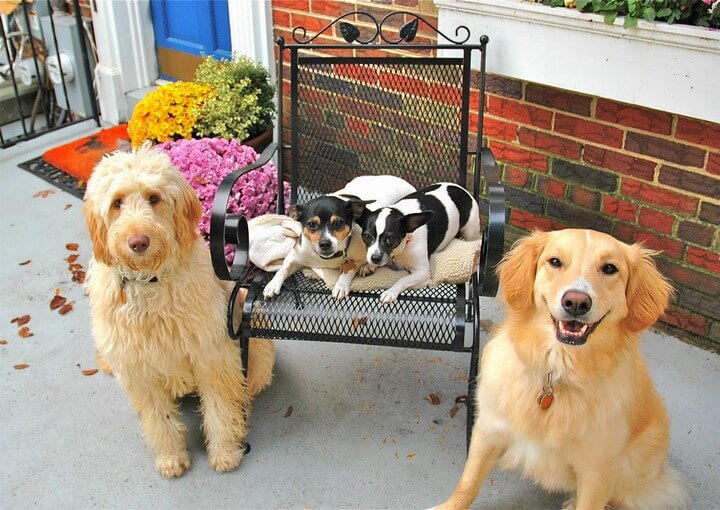
Season's Greetings from Frank, Poppy, Sparkle and Lilly

In the meantime here is a clip from my recent appearance on DC's Fox 5 with holiday dangers that may get your dog or cat into trouble. 


Thursday, June 9, 2011

Surprising Summer Dangers for Pets

Heat stroke is by far the most common summertime danger for our pets but there are a few other things you should be aware of during the warm months.

Cookouts are surprising source of danger for your dog. Any respectable chowhound will spend a fair amount of time searching for a tasty morsel. Chicken and rib bones are usually digestible and rarely result in intestinal obstruction but often cause a nasty case of pancreatitis due to a very high fat content. The pancreas is a gland that lives near the stomach and gets very angry when exposed to a high fat diet. This results in severe abdominal pain, vomiting and diarrhea that usually require medical attention

Another cookout troublemaker is corn on the cob as it is the perfect size to be scarfed down whole and then lodge in the small intestine. This then causes an obstruction that almost always requires surgical intervention for removal. Signs to watch for are decreased or loss of appetite, lethargy, vomiting, diarrhea or abdominal pain. If your dog displays any of these clinical signs please bring him to your veterinarian immediately.

Other dangerous food items are onions, garlic, grapes, raisins, chocolate and sugar-free gum. If you think your dog may have snacked on any of these items either see your veterinarian or call ASPCA’s animal poison control 24-hour hotline.

If you are going to have guests staying with you this summer and you have a nosey dog or cat be sure to tell them so they can put away any medications they may be taking. Even over the counter drugs such as Tylenol, Advil, Aleve and Sudafed can be life threatening to pets.

If you notice most of what I have been talking about is directed towards dogs. It is not that I have been neglecting cats but as a general rule they are usually smart enough to avoid most of these issues. You rarely see a cat running around outside in 90 degree weather or jumping up on the picnic table to grab an ear of corn.

The one lapse in judgment that almost all cats suffer from is their determination to eat plants and flowers. Many indoor and outdoor plants and flowers are extremely toxic to cats and dogs causing clinical signs that range from stomach upset to death. The most infamous flower is the Lilly. Kitties only need to eat a small bit of petal or leaf to cause acute kidney failure, which quickly leads to death. The ASPCA website has a comprehensive list of plants that you need to watch out for.

Finally, fireworks and thunderstorms can be a source of fear for your pets. If you notice that your dog or cat does not seem to appreciate the loud noises be sure to take precautions so they don’t run away or destroy your home. Speak with your veterinarian about administering an anti-anxiety medication. Pure sedatives are not ideal and can actually make things worse as your pet is still afraid but too sedate to do anything about it. This then causes a rebound effect and the next time they experience feelings of anxiety it will be much worse.

Also keep in mind during the warm weather fleas, ticks and mosquitoes are out in force. Be sure to administer your pet’s monthly heartworm, flea and tick preventatives. This goes for indoor kitties too, they are still at risk for heartworm disease.

I hope these tips help you and your pets have a happy and safe summer.

Tuesday, June 7, 2011

Hello Summer!

According to weather reports the east coast is about to get slammed with a heat wave this week.  I wanted to take a moment to warn dog owners about their pets’ risk of heat stroke. Every summer far too many dogs are brought into Friendship after collapsing due to heat stroke. Unfortunately, despite agressive treatment many of these patients do not make it, which is truly tragic since the event could have been easily avoided.

One of the patients that sticks in my mind as especially tragic was a bulldog that was taken out for fifteen minutes around noon as part of a mid-day walk. He collapsed on his walk and was immediately rushed to Friendship. Sadly, despite aggressive treatment, complications from heat stroke damaged his organs so severely that he had to be euthanized the next day.


“Smushy-faced” (brachycephalic is the technical term) dogs like bulldogs and pugs are especially susceptible to heat-related illness. This is because breed characteristics such as narrow nostrils and elongated soft palates decrease their ability to effectively cool themselves.


drawing by Robert Cole

Though bulldogs and pugs have an especially tough time in the warmer weather, ALL dogs are more susceptible to heatstroke than their human companions are. As if wearing thick fur coats weren’t enough of a challenge, dogs have only two ways of dissipating heat: by panting, and through their paw pads. When the temperature rises, neither of these cool-down tricks works too well. Panting becomes much less effective when the weather is hot and humid and when your dog walks on a scorching sidewalk his paws stay too hot to help him cool down.


If you’re out on a walk with your dog and he collapses, becomes unresponsive or loses consciousness, seek veterinary care immediately. DO NOT try to cool down your dog on your own as bringing the body temperature down too quickly can make a dire situation worse. If for some reason you can’t make it to a veterinary hospital immediately, you can soak a towel in tepid (not cold) water, place it over your dog, and aim a fan at him. Take your dog to a veterinarian as soon as he is more stable.


What makes heat stroke potentially fatal is that the patient can develop a condition called disseminated intravascular coagulation (DIC) that causes massive and widespread damage to the blood vessels. This quickly results in multiple organ failure and the patient loses the ability to clot his blood. Treatment consists of aggressive supportive care and plasma transfusions, both of which are very expensive and not guaranteed to prevent death.

When it comes to heat stroke, the best treatment is prevention. Here are some commonsense tips to help you keep your dog cool and comfortable.

  • Avoid taking your dog out during the hottest times of the day. (Quick rule of thumb: If it is too hot for you, then it is definitely too hot for your dog!)
  • Keep an eye out for unusual behavior: If you are out in the hot weather with your dog and he slows down, lies down or acts reluctant to keep walking, you should let him rest, offer him cool water and head inside immediately.
  • Make sure your dog has cool, fresh water available at all times.
  • Never leave a dog (or any other pet) in a parked car when it is even slightly warm out. The temperature in the car can rise amazingly quickly and before you know it you have an overheated animal.
  • Don’t take your dog running. I am never a fan of running with your dog but in this weather it is an especially bad idea.

Tuesday, April 19, 2011

Spring puppies and kittens!


Frank as a puppy
Spring is my favorite time of the year for many reasons but it is the influx of adorable new puppies and kittens into the hospital for wellness care that really brightens my days.  If you are looking for a feline family member, this is kitten season and the shelters are overflowing with these tiny little balls of fur.  Bringing a new pet into your house can be overwhelming so I have provided a cheat sheet with the top three things you need to focus on to have a healthy and well adjusted new friend.

1. Bring your new pet to the veterinarian right away – All puppies and kittens should come with a health record of vaccines and de-worming medications administered by the breeder or shelter. On your first visit be sure to bring this paperwork, so you and your veterinarian can discuss and plan out an appropriate vaccine schedule. In addition, a poo sample is helpful so your veterinarian can make sure your new buddy didn’t bring home any unwanted friends (internal parasites) with him. At this first visit you can also get him started on preventives for heartworm, fleas and ticks – kittens too!

2. Take your puppy to basic training class – All veterinary behaviorists agree that early socialization is a crucial step in creating a happy and well-adjusted dog. Exposure to other puppies, new people, and places can help prevent your puppy from being fearful and socially awkward. The critical time period is in the first three to four months of life, which is when sociability outweighs fear and they are most open to new experiences. 
Poppy as a puppy
Puppies need to be taught how you want them to behave; a training class will give you proper guidance and a safe environment to achieve this.   You do not want to let your puppy loose in a dog park until he is fully vaccinated.  This potentially exposes him to unvaccinated dogs carrying diseases such as parvovirus and distemper virus.  A puppy class or play date in a clean environment with a fully vaccinated, healthy dogs lets your puppy meet new faces while minimizing the risk of disease.

I offer a free monthly class called The Polite Puppy on the last Sunday of every month.  We discuss teaching manners and recommendations for wellness care to get your new puppy off on the right paw.  You can visit www.thepolitepuppy.org for more information or you can email me if you are interested in joining us.  We meet at 3 pm at Happy Paws on Wisconsin Avenue in Tenlytown.

3. Spay or neuter!! – I cannot stress the importance of this enough. In my opinion, spaying or neutering is the single best thing you can do, not only for your own pet but also for the millions of homeless animals living and dying in shelters. In this country we euthanize around four million dogs and cats every year due to overcrowding in shelters. 

These simple surgeries that remove the reproductive organs are a direct way to improve the health of your pet.  Along with eliminating the chances for many types of cancer as well as a life threatening uterine infection, spaying and neutering can prevent many behavior issues. If the above reasons to spay or neuter haven’t convinced you, consider this: female dogs in heat are messy and it is always embarrassing to have your male dog humping someone’s leg....